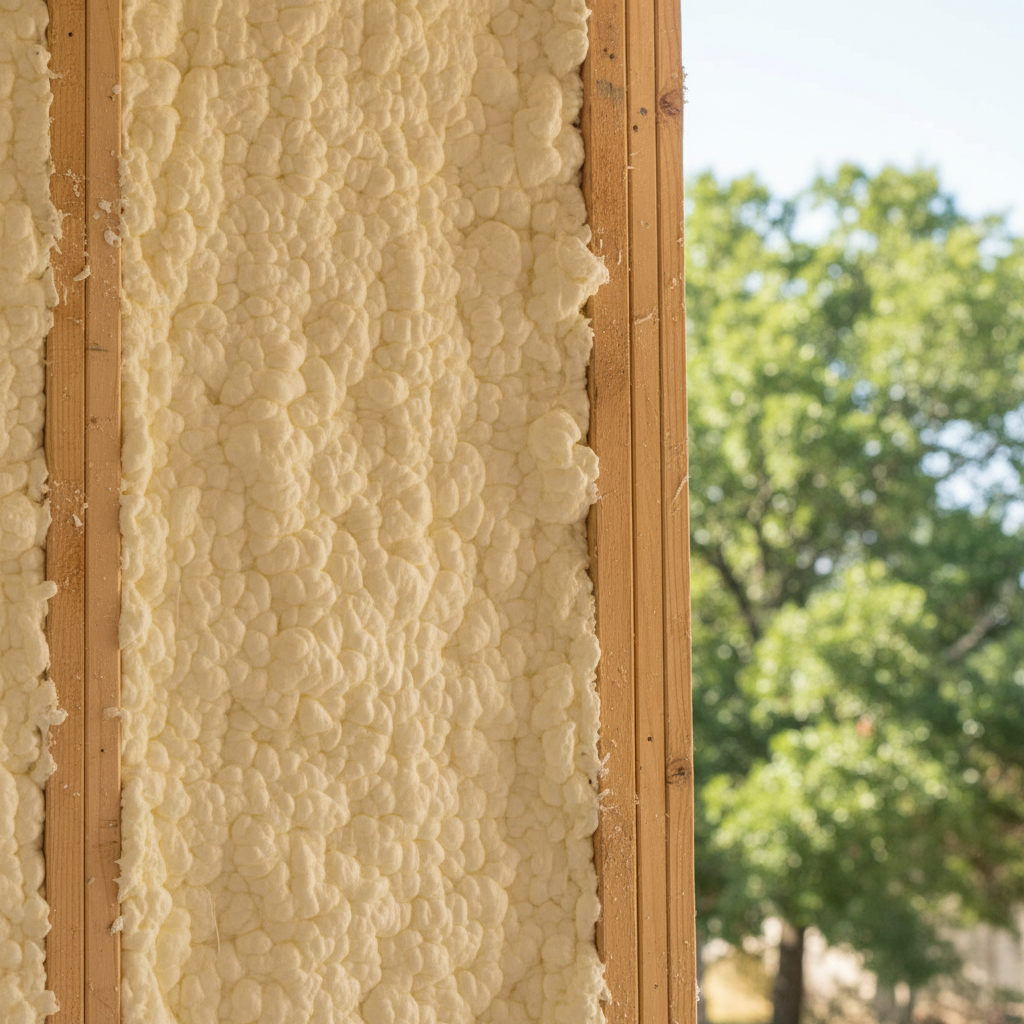
So, you're looking into open cell spray foam for your home here in Kyle. Good on ya. It's a solid choice for insulation, especially with our Texas heat and humidity. But like anything, there's a right way to do it and a wrong way. I've seen both, and trust me, you want to be on the right side of that equation. Let's talk about what you need to know.
Before You Even Think About Spraying
First off, open cell foam isn't for every single spot in your house. It's great for attics, walls, and crawl spaces where you want a good air seal and decent R-value. It's flexible, lets moisture pass through (which can be a good thing in certain applications), and it's usually more affordable than closed cell foam. But it's also softer, so it's not going to add structural rigidity like closed cell might. You need to know what you're trying to achieve.
Here's the big one: ventilation. If you're sealing up your attic, you're creating an unvented attic space. That means your attic becomes part of your conditioned space. Your HVAC system might need adjustments, and you definitely need to make sure any combustion appliances (like a gas water heater or furnace) in the attic are properly vented to the outside. Carbon monoxide is no joke. This isn't something to guess at. If you're not sure, get an HVAC tech out there before you even think about insulation.
Also, think about access. Once that foam is in, it's in. If you've got old knob and tube wiring, or plumbing that's prone to leaks, now's the time to fix it. You don't want to be digging through foam to get to a busted pipe a year from now.
The DIY vs. Pro Debate: Can You Spray It Yourself?
Alright, this is where I get real with you. Can you buy a DIY spray foam kit? Yeah, you can. Should you? Probably not for a whole house or even a large attic. Here's why:
- It's messy. I mean, unbelievably messy. That stuff expands like crazy, and if you don't know what you're doing, it'll get everywhere. On your clothes, your hair, your tools, your neighbor's cat if it wanders too close.
- It's all about technique. Getting an even, consistent layer that actually performs as advertised takes practice. Too thin, and you're not getting the R-value. Too thick, and you're wasting material and money. Plus, you need to hit all the nooks and crannies to get that air seal.
- The equipment isn't cheap. Those DIY kits are okay for small patches, but for a whole attic, you're talking about a significant investment in equipment, and then you've got to clean it all.
- Safety. You're dealing with chemicals. You need proper PPE – respirators, gloves, eye protection, full body suits. The fumes can be irritating and even harmful if you're not properly protected or the space isn't ventilated during application.
For a small, isolated spot, like sealing around a new light fixture box in an existing wall, maybe. But for an entire attic or all your exterior walls? Call a pro. Seriously. We've got the gear, the training, and the experience to do it right, safely, and efficiently. It'll save you headaches, wasted material, and potentially a poorly insulated home in the long run. At Paramount Insulation Solutions, we handle this stuff every day.
During the Project: What to Expect
If you hire us (or any reputable company), here's what'll happen. We'll prep the area. That means covering up anything you don't want foam on – windows, floors, HVAC units, anything. We'll make sure the area is clear of debris. Then, we'll suit up in our PPE. The actual spraying goes pretty fast once we get going. You'll see the foam expand and fill the cavities. It'll have a distinct smell, which is why we ensure proper ventilation during and immediately after application.
You'll probably be asked to leave the house for a few hours, maybe even overnight, depending on the size of the job and the ventilation. This is for your safety, to let any fumes dissipate completely. We'll let you know the exact timeframe.
After the Foam Is Applied
Once the foam cures, it's pretty inert. The smell should be gone. You'll likely notice an immediate difference in your home's comfort. Fewer drafts, more consistent temperatures, and often, a quieter house because the foam also helps with sound dampening. Your HVAC system won't have to work as hard, which means lower utility bills – and who doesn't want that, especially when the summer temps hit 100+ degrees here in Kyle?
Keep an eye on your energy bills over the next few months. That's your real-world proof that the investment paid off. If you've got any questions or concerns after the fact, don't hesitate to call your installer. A good company stands by its work.
So, that's the rundown. Open cell spray foam is a fantastic insulation product when it's done right. Don't cut corners, especially when it comes to something as important as your home's energy efficiency and your family's comfort.