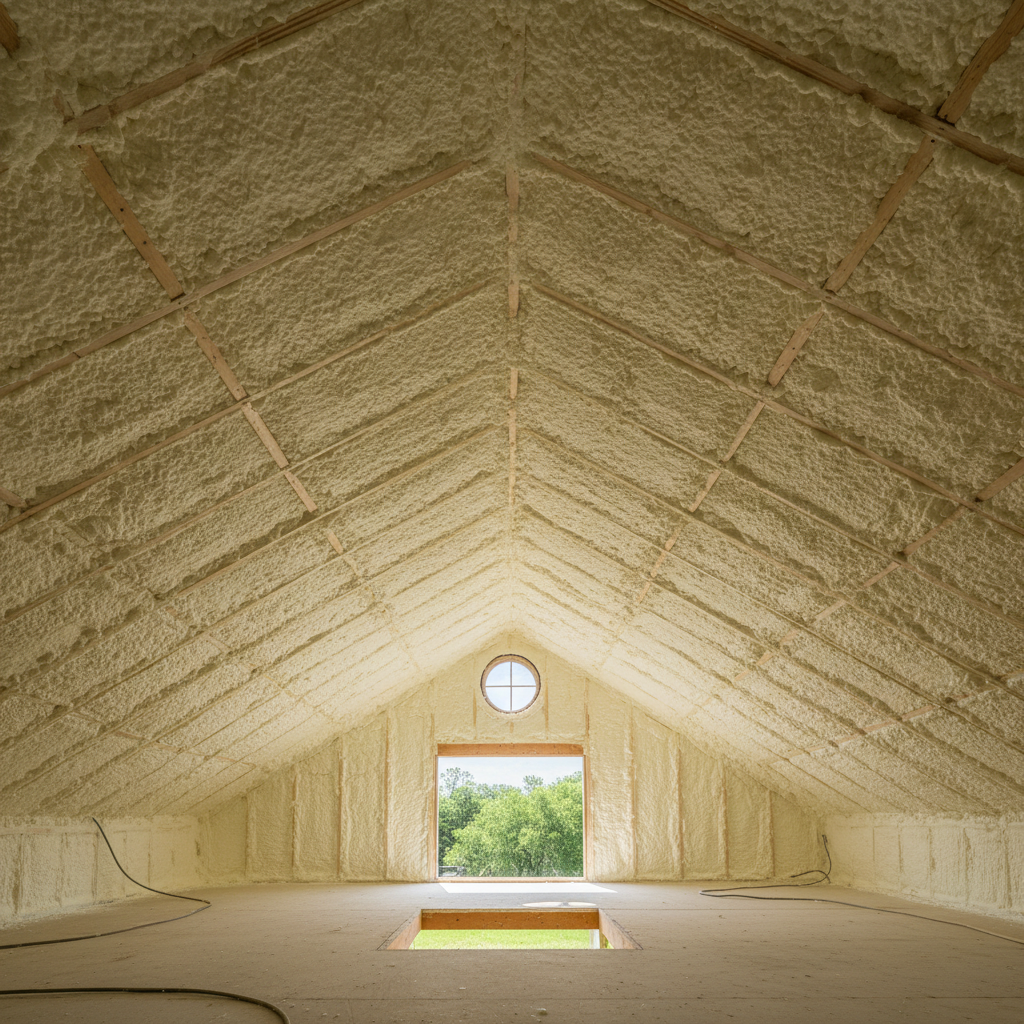
Alright, let's talk about open cell spray foam here in Kyle. It's a fantastic insulation product, especially for our climate, but like anything else, there's a right way and a wrong way to get it installed. And a big part of that 'right way' is really understanding our unique Central Texas weather patterns. You wouldn't believe how many folks call me up in the dead of summer, wondering why their attic is still a sauna even with new insulation. Often, it comes down to when they had the work done, or maybe they didn't quite grasp how our humidity plays into things.
Why Timing Matters for Open Cell Spray Foam
Open cell spray foam is a chemical reaction, pure and simple. Two liquids mix, expand, and then they cure. For that reaction to happen just right, you need specific conditions. Think of it like baking a cake – you wouldn't try to bake it in a freezer or a sauna, would you? Same deal with spray foam.
Here in Kyle, we've got two main enemies when it comes to spray foam installation: extreme heat and extreme humidity. Our summers are brutal, and our winters, while usually mild, can still throw us some curveballs. The ideal temperature range for applying open cell spray foam is generally between 60 and 85 degrees Fahrenheit. Humidity also needs to be kept in check. If it's too hot, the foam can cure too fast, which leads to issues like shrinkage or poor adhesion. Too cold, and it might not expand properly, leaving you with gaps or a less effective R-value. Nobody wants that.
The Best Time to Schedule Your Installation
So, when's the sweet spot? For us in Kyle, I always tell folks to aim for the shoulder seasons. That means:
- Spring (March-May): This is prime time. Temperatures are usually mild, humidity hasn't hit its peak yet, and we're not dealing with the intense summer sun baking your attic. The foam has plenty of time to cure properly before the real heat sets in.
- Fall (October-November): Another excellent window. After the summer inferno breaks, temperatures cool down nicely, and humidity levels start to drop. It's a great time to get your home sealed up tight before any unexpected cold snaps.
Can we do it in summer or winter? Sure, we can, but it often requires more prep work. We might need to run ventilation longer, or use heaters to get the space to the right temperature. It's definitely doable, but it's not always ideal, and sometimes it can add to the overall cost or complexity. If you're planning a full attic encapsulation, getting it done when the weather cooperates just makes everyone's life easier and ensures the best outcome.
Weather Conditions That Affect the Work
Beyond just temperature, there are a few other things we keep an eye on:
- Rain: If we're spraying an exterior wall or a roof deck that's exposed, we simply can't do it in the rain. The surface needs to be dry for proper adhesion. Even if it's an attic, if there's any chance of water getting in, we'll need to wait.
- Wind: For exterior applications, strong winds can make it tough to control the spray pattern and can carry overspray to unintended areas. Even inside an attic, excessive drafts can affect how the foam cures.
- Humidity: This is a big one for open cell. If the substrate (the surface we're spraying onto) is too damp, the foam won't stick right, or it won't cure properly. We're talking about our famous Central Texas humidity here, especially in areas like Plum Creek where older homes might have less attic ventilation. We'll always check moisture levels before we start, no exceptions.
As a local business, Paramount Insulation Solutions, we're always monitoring the forecast and will communicate with you if we think the weather might impact your scheduled installation. We'd rather reschedule than do a job that isn't perfect.
Protecting Your Investment Year-Round
Once your open cell spray foam is in, it's pretty low maintenance, but there are a few things you can do to make sure it keeps performing like a champ:
- Don't Mess With It: Try not to disturb the foam. If you need to run new wiring or plumbing through an area that's been sprayed, it's best to call a professional who knows how to cut and seal it properly without messing up the thermal envelope.
- Keep an Eye on Leaks: While spray foam can help seal small air leaks, it's not a waterproofing solution. If you have a roof leak, fix it immediately. Prolonged water exposure can saturate open cell foam, reducing its effectiveness and potentially leading to mold issues.
- Maintain Proper Ventilation (if applicable): If your spray foam was part of an attic encapsulation, ensure any attic ventilation that was sealed off stays sealed. If your system still relies on some form of ventilation, make sure it's clear and functioning.
- Pest Control: Keep up with general pest control. While spray foam isn't a food source for pests, they can sometimes tunnel through it if they're really determined. Sealing up entry points around your foundation and eaves is always a good idea.
Ultimately, open cell spray foam is a durable, long-lasting solution for your home's comfort and energy efficiency. Getting it installed right, at the right time, and then giving it a little common-sense care, means you'll be enjoying those benefits for decades to come. If you've got questions about your specific situation here in Kyle, don't hesitate to give us a call at Paramount Insulation Solutions. We're happy to talk through it with you.