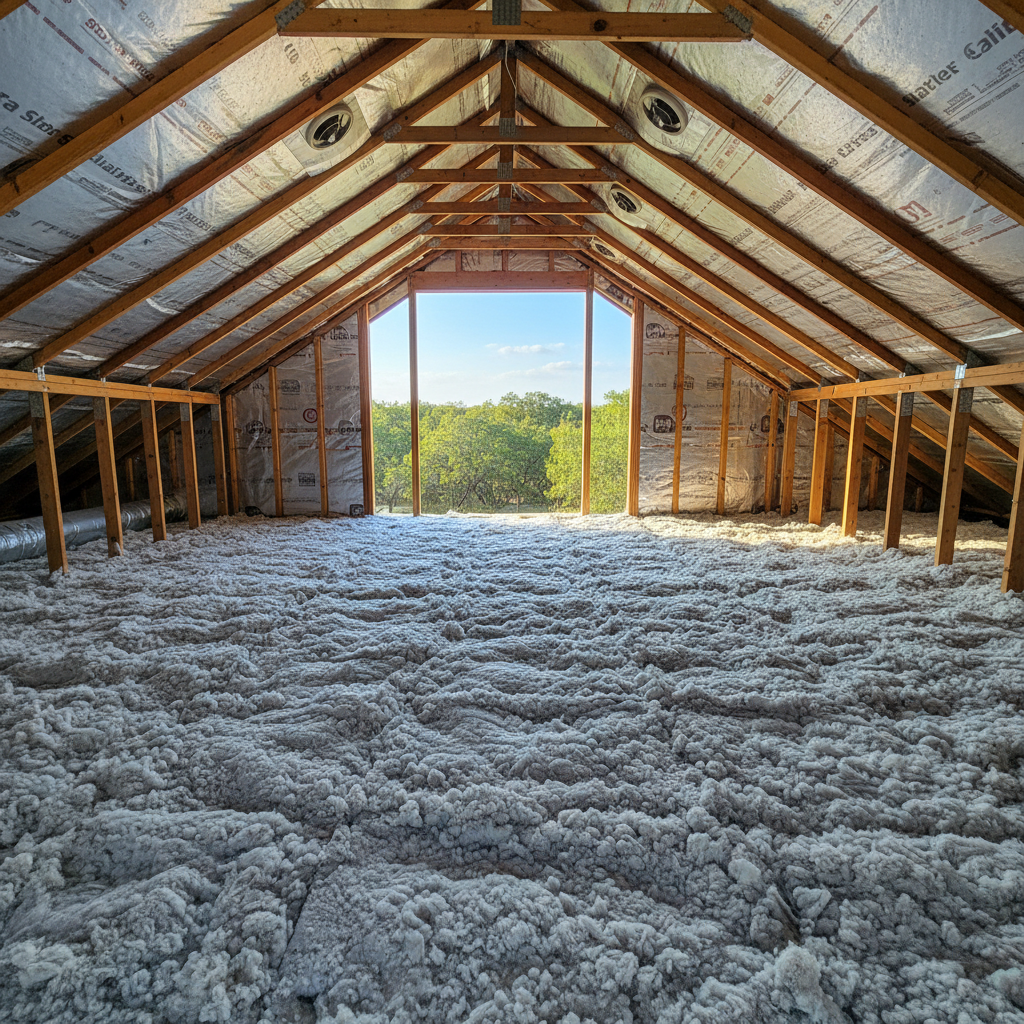
Alright, so you're thinking about blown-in insulation for your place here in Kyle. Smart move, truly. It really helps make your home more comfortable and, let's be honest, those energy bills can get pretty wild, especially with our Texas summers. But before you dive in, you'll want a game plan. This isn't usually a weekend DIY project for most folks, and getting it right means knowing what's involved.
Setting the Timeline: What to Expect
First things first, let's talk about how long this all takes. From your initial call to our crew packing up, it's usually a pretty quick process once we actually start. For an average Kyle home, say a 2,000 sq ft house in Plum Creek or something similar, the actual installation often wraps up in a single day. Maybe a day and a half if the attic is larger or more complex, or if we need to remove a lot of old insulation first.
But don't mix up installation time with the whole project timeline. You've got to factor in getting estimates, making your decision, and then actually scheduling the work. Good contractors, like us at Star Insulation, often get booked up a few weeks out, especially during busy times like late spring or early fall. That's when everyone's either trying to beat the heat or getting ready for winter, you know? So, if you're hoping to get it done by a specific date, start reaching out for quotes at least 4-6 weeks ahead of time. That gives you some breathing room to compare offers and get on the schedule without feeling rushed.
What Happens on Installation Day?
Okay, so the big day arrives. What's it actually going to look like? Most of the action happens up in your attic, but we'll be working both inside and outside your house too.
- Arrival and Setup: Our crew will show up, usually with a big truck and a trailer carrying the insulation blowing machine and all the material. They'll run a long hose from the machine outside, through a window or door, and up into your attic. We always lay down drop cloths and take precautions; we want to keep your home clean, after all.
- Prep Work: If you're having old insulation removed, that's the very first step. It's a dusty job, so we use specialized vacuums to suck it all out. After that, we'll make sure all the necessary air sealing is done around things like light fixtures, plumbing stacks, and attic hatches. This step is super important for performance — seriously, don't let anyone skip it. We'll also put in baffles at the eaves to make sure the new insulation doesn't block your attic's ventilation.
- Blowing In the Insulation: This is the main event. One crew member feeds the insulation material into the machine outside, while another is up in the attic, carefully blowing it into place. The goal is to hit that specified R-value. It gets loud, but it's efficient.
- Cleanup and Inspection: Once we're done blowing, we'll clean up any mess, both inside and out. We'll do a final check to make sure everything looks good and that the attic access is properly re-sealed.
You don't have to be home for the entire process, but it's a good idea to be around for the start and end. That way, you can answer any questions and do a final walkthrough.
How to Prepare Your Home
You can make the whole process smoother for everyone with just a little prep work:
- Clear the Attic Access: Make sure the path to your attic hatch or pull-down stairs is clear. Move any furniture, boxes, or anything else that might be in the way.
- Remove Valuables: If you store anything in your attic, especially delicate items, electronics, or things you'd rather not get dusty, take them out. We try our best to be tidy, but insulation can be dusty.
- Secure Pets: Keep your furry friends in a separate room or outside during the installation. The noise and activity can be stressful for them, plus it's safer for everyone.
- Clear Driveway Space: We'll need room for our truck and trailer. If you have multiple cars, try to make some space.
- Point Out Concerns: If you know of any specific issues in your attic – like a leaky roof (which, by the way, needs fixing *before* insulation) or areas that are particularly hard to reach – please let us know beforehand.
Questions to Ask Before You Sign
Don't just pick the first quote you get. Ask these questions to make sure you're hiring a reputable contractor:
- What R-value are you proposing, and why? In Kyle, with our intense heat and occasional cold snaps, you want to be sure they're recommending an appropriate R-value, typically R-38 or R-49 for attics.
- What type of blown-in insulation do you use (fiberglass, cellulose)? What are the pros and cons of each for my home? Both have their place, and a good contractor will explain why one might be better for your specific situation.
- Does your quote include air sealing? If so, what exactly do you seal? This is critical. Insulation without proper air sealing is like putting a blanket on a screen door.
- Will you install attic baffles to protect my soffit vents? Again, crucial for proper attic ventilation.
- What's your process for protecting my home during installation? What kind of cleanup can I expect? They should have a clear answer about drop cloths, shoe covers, and post-job cleanup.
- Are you licensed and insured? Can you provide proof? Always ask for this. You really don't want uninsured workers on your property.
- Do you offer any warranties on your work or the product? Good companies stand behind their work.
- Can you provide references from other homeowners in Kyle? Hearing from neighbors who've used them is always a good sign.
Taking the time to plan and ask the right questions will save you headaches and ensure you get the most out of your investment. Blown-in insulation is a fantastic upgrade, and with a little preparation, your project will go smoothly.