Blown-In Insulation: DIY or Pro? What Kyle Homeowners Really Need to Know
So, you're staring at those energy bills again, or maybe you just sweated through another Kyle summer (they're brutal, aren't they?), and your mind drifts to attic insulation. Blown-in insulation? Yeah, it's a fantastic way to make your home comfier and actually cut down those sky-high AC costs. But then the big question pops up: can I just tackle this myself, or should I call in the cavalry?
That's a fair question, and honestly, some parts you *can* handle. Other parts? You really shouldn't mess with. Let's break it down.
Before You Start: Getting Ready
Before any insulation goes up there, whether it's you or a whole crew doing the work, you've got some homework to do. This isn't just about tossing material around; it's about making sure your attic is truly prepared.
Clear it Out: Get rid of anything that doesn't belong in the attic. Old boxes, holiday decorations, whatever. You need a clear space to work.
Seal Air Leaks: This is probably the most important step, and frankly, it's where a lot of DIYers miss the mark. Insulation slows heat transfer, sure, but air leaks let your expensive conditioned air just zoom right out. Think about where plumbing pipes come up, electrical wires, recessed lights, attic hatches, and especially around chimneys or vents. You've got to seal these spots with caulk, expanding foam, or even rigid foam board. Skip this, and you're basically insulating a leaky bucket. You can do some of this yourself – grab a caulk gun and some cans of foam – but finding *all* the leaks, especially in tricky areas, often takes someone with experience.
Ventilation: Make sure your attic breathes right. Insulation won't fix a ventilation problem; in fact, it can make things worse if hot, humid air gets stuck up there. We see it a lot in older Kyle neighborhoods, like those around Plum Creek, where attics just weren't built with today's ventilation standards in mind. You need good soffit and ridge vents, or gable vents, to let air move. If you're unsure, get a pro to take a look. This usually isn't a DIY kind of fix.
Safety First: Attics are no joke. They're full of tripping hazards, nails poking through, live electrical wires, wasp nests, and extreme heat. Always wear a good respirator, eye protection, gloves, and long sleeves. Watch your step – you really don't want to put a foot through your ceiling. Lay down plywood planks if you need a safe path. This goes for you, or for us, if we're doing the job.
During the Project: Blowing It In
Okay, so the attic's prepped. Now for the actual insulation part.
DIY Machine Rental: You can rent insulation blowing machines from big box stores. They're often free if you buy a certain amount of insulation. You feed bales of cellulose or fiberglass into the hopper, and a long hose shoots it into the attic. It's dusty, it's loud, and it's hard work. You'll definitely need at least two people: one feeding the machine, and another up in the attic directing that hose.
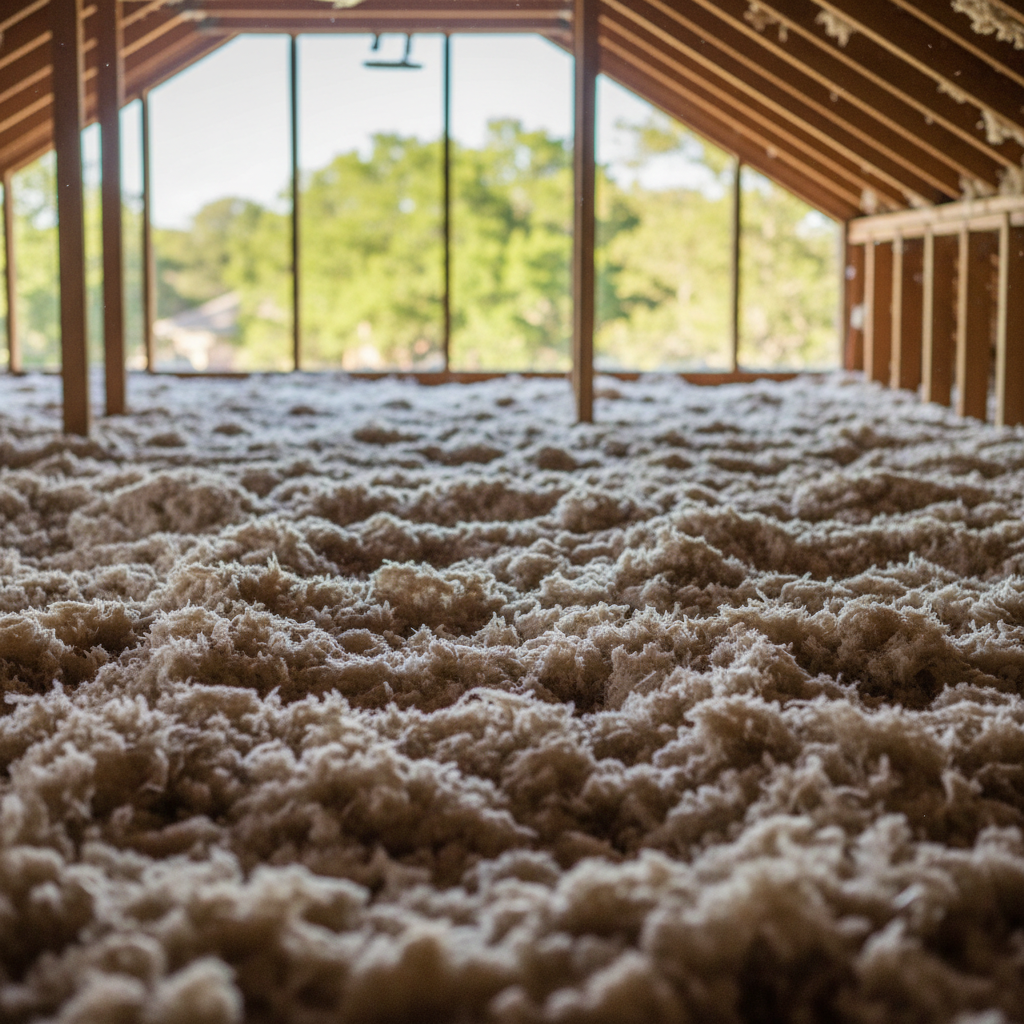
Depth and R-Value: You're aiming for a specific R-value (that's how we measure thermal resistance). For our climate here in Kyle, you're generally looking for an R-value between R-38 and R-49. That means a lot of material – sometimes 12 to 18 inches deep, depending on what product you're using. The insulation bags will tell you how many square feet one bag covers to hit a certain R-value. You'll need an insulation ruler or stick to measure your depth as you go, by the way.
Obstacles: You'll have to blow around joists, wires, pipes, and ducts. You need to get even coverage everywhere. Don't just pile it up in the wide-open areas and forget about the corners or tight spots. This is where many DIY jobs end up with inconsistent R-values, leading to those annoying hot and cold spots in your house.
Baffles and Recessed Lights: You absolutely cannot block soffit vents with insulation; that's why we use baffles. They create a channel for air to flow. Recessed lights (can lights) that aren't IC-rated (meaning they're not safe for insulation contact) need a clearance box built around them. This keeps the insulation from touching them and causing a fire hazard. Don't skip this step. This is another area where a pro knows exactly what to look for and how to handle it safely.
When to Call a Pro (Like Star Insulation)
Look, I'm all for homeowners tackling projects they feel good about. But some things are just better left to the experts. Here's when you should definitely pick up the phone:
Safety Concerns: If your attic has old knob-and-tube wiring, active pest infestations, mold, or structural problems, just stay out. Call a pro. We've seen it all, trust me.
Existing Insulation Removal: If your current insulation is wet, moldy, full of pests, or just totally useless, it probably needs to come out before you put new stuff in. That's a messy, dirty job that needs special equipment and disposal methods, and it's not something you want to do yourself.
Complex Attics: If your attic has lots of weird angles, knee walls, or spots that are just tough to reach, getting even coverage with a rental machine is incredibly hard. Pros have specialized tools and the know-how to get into those places.
Time and Effort: This isn't a quick weekend project. It's physically demanding, dirty, and it takes a lot of time to do it right. If you're short on time or just don't want the hassle, a professional crew can get it done efficiently and correctly.
Guaranteed Results: When Star Insulation handles the job, you get an attic that's properly insulated, meets code, and performs just like it should. We understand the local building codes, we know what R-value you need for Kyle's climate, and we stand by our work. You're paying for real expertise and the assurance that it's done right.
Ultimately, doing blown-in insulation yourself can save you some money on labor, but you're trading that for your own time, effort, and the risk of an imperfect job. For many homeowners, especially when you think about the long-term benefits of a properly insulated home, bringing in a professional team like ours just makes a lot of sense. We're here if you need us.